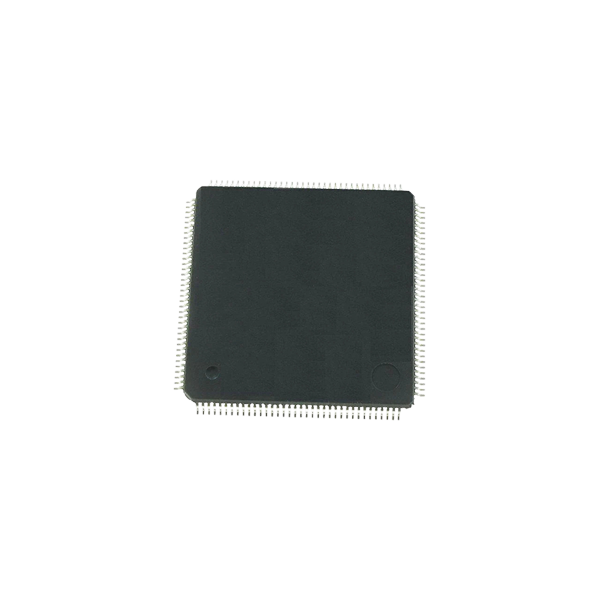
STM32F429ZIT6 – High Performance ARM Cortex M4 MCU – STMicroelectronics

Key features:

  • ARM Cortex-M4 core with FPU, up to 180 MHz (225 DMIPS)
  • 2 MB Flash (dual bank), 256 KB SRAM (64 KB CCM)
  • 1.7V to 3.6V operation
  • 114 GPIO pins (LQFP-144)
  • LCD-TFT controller (XGA) + Chrom-ART Accelerator
  • Hardware JPEG codec
  • 3 × 12-bit ADC, 2 × 12-bit DAC
  • 17 timers (12× 16-bit, 2× 32-bit, motor control timers)
  • 16-stream DMA controller
  • Ethernet MAC, 2 × CAN, 2 × USB OTG (FS/HS)
  • 6 × SPI/I2S, 3 × I2C, 4 × USART/4 × UART, SAI, SDIO
  • FMC supports SDRAM, SRAM, NOR/NAND
  • True RNG, CRC, 96-bit unique ID
  • Camera interface (8-14 bit)
  • SWD & JTAG debug
  • Temperature: -40°C to +85°C
  • LQFP-144 package

The STM32F429ZIT6 is a high-performance 32-bit microcontroller from STMicroelectronicsbased on the ARM Cortex-M4 core with a Floating Point Unit (FPU). It is part of the STM32F4 advanced line series, designed for applications requiring high processing power, advanced graphics, and extensive connectivity.

Core and Performance

The device features a 180 MHz ARM Cortex-M4 CPU with FPU and DSP instructions, delivering up to 225 DMIPS of processing power. The ART Accelerator™ enables 0-wait state execution from Flash memory at full 180 MHz clock speed. The Chrom-ART Accelerator™ (DMA2D) offloads 2D image processing tasks from the CPU, significantly enhancing graphic content creation.

Memory Architecture

  • 2 MB Flash organized into two banks, supporting read-while-write operation for seamless firmware updates

  • 256 KB SRAM (including 64 KB Core Coupled Memory for time-critical routines)

  • 4 KB backup SRAM for data retention in low-power modes

  • Flexible Memory Controller (FMC) supporting SDRAM, SRAM, PSRAM, NOR, and NAND Flash memories

Graphics and Display

The integrated LCD-TFT controller supports resolutions up to XGA (1024×768), making it ideal for Human-Machine Interface (HMI) applications. The controller operates in 8080/6800 parallel interface modes, and the Chrom-ART Accelerator (DMA2D) provides hardware acceleration for 2D graphic operations, freeing the CPU for other tasks.

Connectivity

The device offers extensive communication interfaces:

  • 10/100 Ethernet MAC with dedicated DMA and IEEE 1588v2 hardware support

  • 2 × USB OTG (one full-speed with on-chip PHY, one high-speed with dedicated DMA and ULPI)

  • 2 × CAN 2.0B Active

  • 6 × SPI/I2S (up to 45 Mbit/s)

  • 3 × I2C (SMBus/PMBus support)

  • 4 × USART / 4 × UART (up to 11.25 Mbit/s)

  • SDIO interface

  • Serial Audio Interface (SAI)

Power Management

The device operates from 1.7V to 3.6V and features multiple low-power modes including Sleep, Stop, and Standby. The VBAT supply allows the RTC and backup registers (20×32-bit) to remain powered when the main supply is off, with optional 4 KB backup SRAM retention.

Development Support

The STM32F429ZIT6 is fully supported by ST’s ecosystem including STM32CubeMX, STM32CubeIDE, HAL libraries, and major third-party toolchains (Keil MDK, IAR Embedded Workbench). The 32F429IDISCOVERY evaluation board provides a complete development platform featuring the MCU, 2.4″ QVGA TFT LCD, 64-Mbit SDRAM, and on-board ST-LINK/V2-B debugger/programmer.

Packaging and Availability

The device is offered in:

  • LQFP-144 (20×20 mm) – 114 I/Os

  • LQFP-100, LQFP-176, LQFP-208, UFBGA-169, UFBGA-176, TFBGA-216, and WLCSP package options for other variants
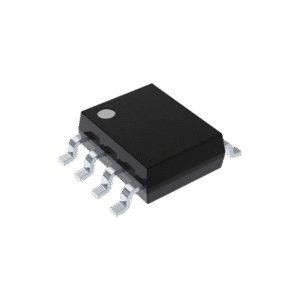
Parameters

Parameters Specifications
Manufacturer STMicroelectronics
Part Number STM32F429ZIT6
Core Architecture ARM Cortex-M4 with FPU and DSP instructions
Max Frequency 180 MHz (225 DMIPS)
Flash Memory 2 MB (dual bank, read-while-write)
SRAM 256 KB + 4 KB backup (including 64 KB CCM)
Supply Voltage (VDD) 1.7V to 3.6V
GPIO Pins 114 (LQFP-144)
Total I/Os (max) Up to 168 (on larger packages)
ADC 3 × 12-bit, up to 24 channels,
2.4 MSPS (7.2 MSPS triple interleaved)
DAC 2 × 12-bit
Timers Up to 17 timers: 12× 16-bit, 2× 32-bit,
2× advanced motor control, 2× basic,
2× watchdog, SysTick
DMA Channels 16-stream DMA controller with FIFOs and burst support
Communication Interfaces 3× I2C, 4× USART/4× UART, 6× SPI/I2S, 2× CAN,
2× USB OTG (FS/HS), Ethernet MAC, SAI, SDIO
External Memory Interface FMC: SDRAM, SRAM, PSRAM, NOR/NAND Flash,
Compact Flash
Graphics LCD-TFT controller (XGA), Chrom-ART Accelerator,
LCD parallel interface
Camera Interface 8-14 bit parallel, up to 54 Mbytes/s
Security True RNG, CRC, 96-bit unique ID
Debug Interfaces SWD, JTAG, Embedded Trace Macrocell™
Low Power Modes Sleep, Stop, Standby, VBAT
Operating Temperature -40°C to +85°C (Industrial)
Package Type LQFP-144 (20×20×1.45 mm)
RoHS Status RoHS compliant, ECOPACK®2

Applications

Industrial Automation

  • Process control systems – Real-time monitoring and control of sensors, actuators, and PLCs in factory automation lines

  • Robotics and motion control – Precise motor control using advanced timers and FPU for complex algorithms

  • Human-Machine Interfaces (HMIs) – High-resolution touchscreen control panels with Chrom-ART accelerated graphics

Consumer Electronics

  • Printers and scanners – High-speed document processing and imaging

  • Home audio appliances – High-quality audio processing via I2S and SAI interfaces

  • Gaming peripherals – High-performance controllers and accessories

Building Automation

  • Alarm systems and video intercoms – Secure communication and real-time video processing

  • HVAC control systems – Environmental monitoring and control with graphical user interfaces

Medical Equipment

  • Patient monitoring systems – Continuous vital signs monitoring and data logging

  • Diagnostic devices – High-precision measurement and analysis equipment

Industrial IoT

  • IoT Gateways – Edge computing devices connecting industrial assets to cloud platforms

  • Smart sensors – Advanced data acquisition and analysis with local processing

  • Predictive maintenance – Vibration and temperature monitoring with real-time analysis

Telecommunications

  • Base station control – Network equipment management and monitoring

  • Industrial communication bridges – Protocol conversion between CAN, Ethernet, and serial interfaces

Automotive

  • Infotainment systems – Audio/video processing and display control

  • Vehicle diagnostics – CAN-based communication modules (within temperature rating constraints)

Scroll to Top